PLANNING PROCESS
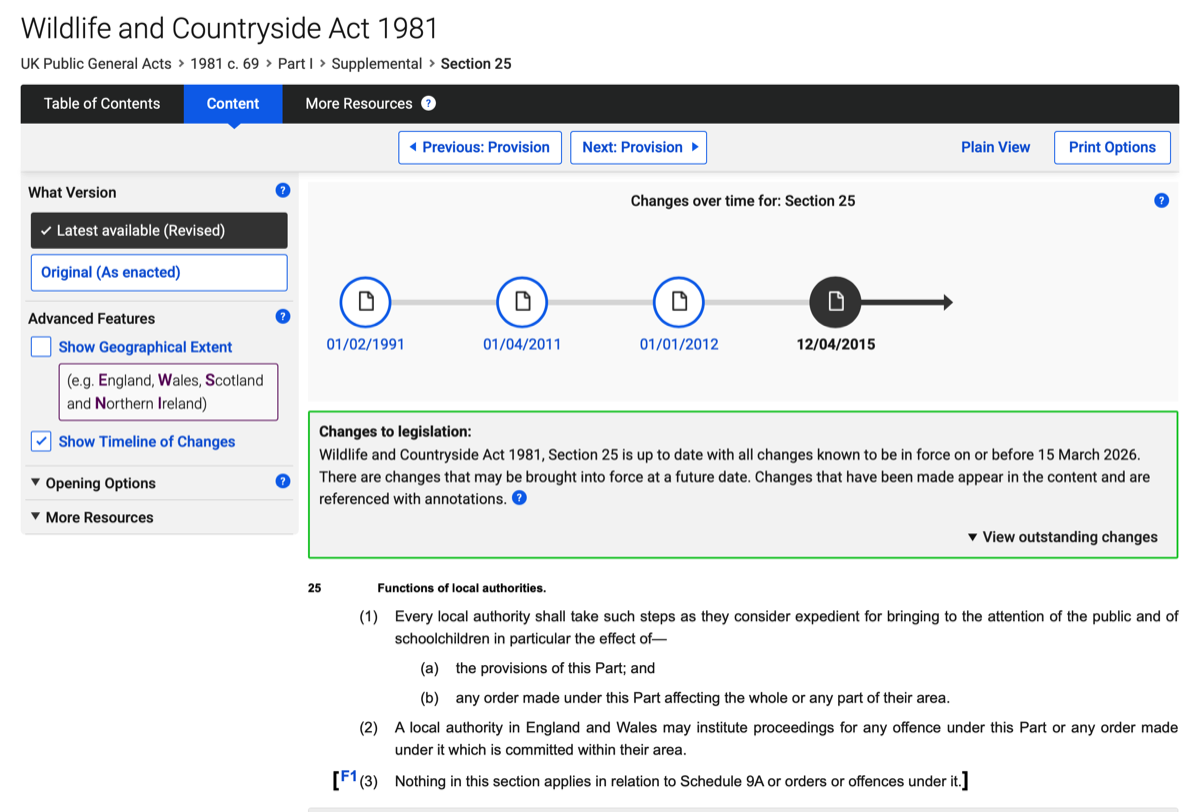
Under Section 25 (1) of the Wildlife and Countryside Act (1981) Local Authorities have a duty to take such steps as they deem expedient to bring to the attention of the public the provisions of Part 1 of the Act, which includes measures to conserve protected species.
At proposed development sites that have had or have ever had roosting or nesting Barn Owls it is essential that the developer / owner notifies the Local Planning Authority (inc. the Environment Dep.) Other groups should be made aware of the proposed development (County Wildlife Trust; County environmental records centre; Nearest Barn Owl Conservation Group).
Below are the ideal sequence of events towards Planning Approval as outlined by the Barn Owl Trust:
- Before application the Applicant contacts the Local Planning Authority (LPA) and a Planning Officer (PO) visits site to discuss the development ideas.
- The PO advises that a wildlife survey is required to be carried out and must be submitted with the application - it must set out how the wildlife will be protected during the development, how any loss of wildlife will be mitigated ad how the wildlife value of the site will be enhanced.
- The applicant finds a suitably qualified Ecological Consultant to survey the site and produce a report with recommendations.
- The consultant carries out the survey and provides a written report incorporating the key principles of PROTECTION, MITIGATION & ENHANCEMENT. (At this point the report should identify the inclusion of Barn Owls into the process - The consultant may be a qualified Barn Owl surveyor however may recommend a supplemental survey by an approved Barn Owl specialist).
- The applicant advises the PO that the survey has highlighted the need for Barn Owl protection, mitigation and enhancement.
- The PO consults with Natural England who provide their standard advice, the Planners' Guide.
- The PO makes the applicant aware of the Guide and recommends they read the sections 'Applicants' Handout - A Pre-application Guide' and 'Making Provision for Barn Owls' (A Barn Owl Surveyor can help with this as part of their role).
- The applicant appoints an architect and provides them with a copy of the wildlife survey report with recommendations along with a copy of 'Making Provisions for Barn Owls'.
- The Architects drawings incorporate provisions for wildlife in line with the ecological recommendations.
- The Applicant submits the application which outlines how wildlife will be protected during the development, how any wildlife losses can be mitigated and how the wildlife value of the site can be enhanced.
- The PO checks that the application is in order and complies with the current legislation including the ecological recommendations covering the three principles of protection, mitigation and enhancement.
- If the application is in order then the case officer accepts it on behalf of the LPA.
The application stands a greater chance of approval by following the thorough path outlined above. Note there are a number of legal duties and planning policies that the LPA have to comply with which are specifically focused on the three main principles that should be adopted within the ecological survey.